We like to be upfront with our clients, so here's a topic we think deserves a plainer conversation than most of the marketing around it: exosomes.
What are exosomes?
Exosomes are tiny vesicles released by cells that carry proteins, growth factors and genetic material between them — essentially a cell-to-cell messaging system. In laboratory research, they're a genuinely exciting area of regenerative science, which is part of why "exosome facials" and exosome injections have been marketed so heavily in aesthetics over the past year or two.
The regulatory reality in the UK
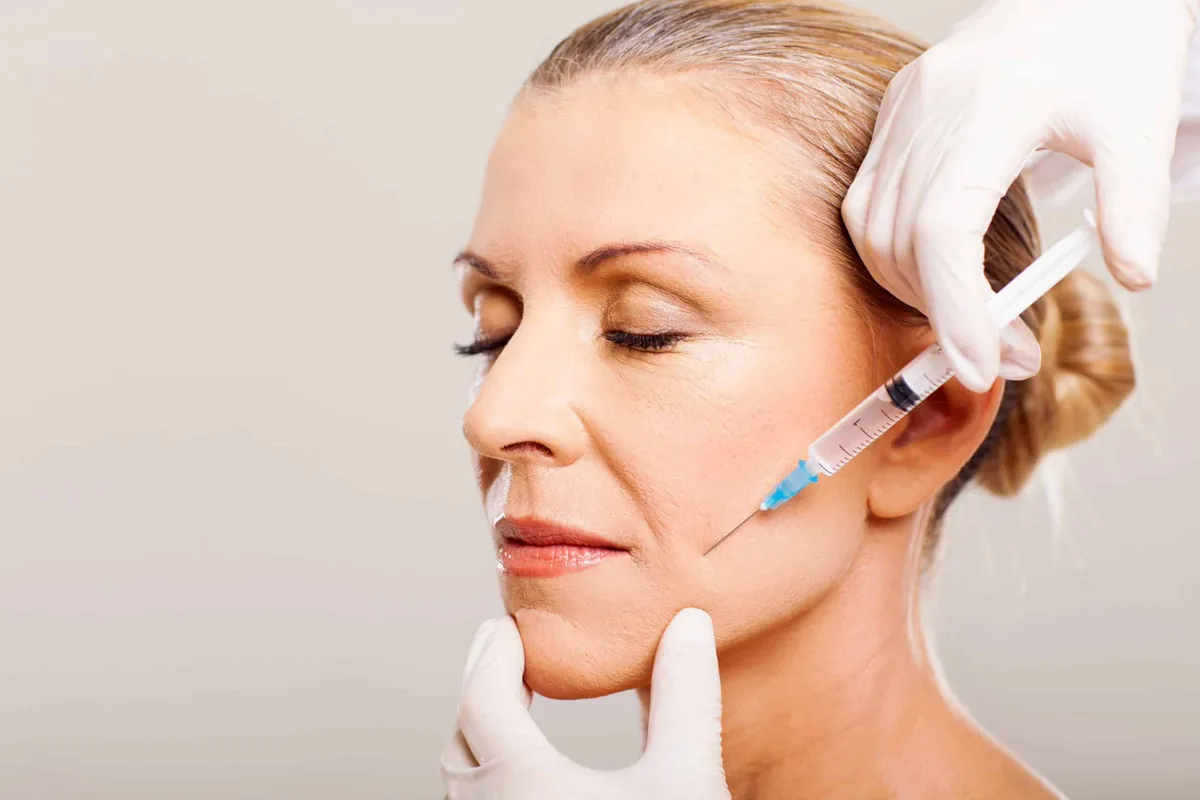
Here's the part that matters most for your safety: in the UK, the MHRA (Medicines and Healthcare products Regulatory Agency) considers injected exosomes to be medicinal products. Human-derived exosomes are not permitted for cosmetic use under current UK regulation, and injecting exosomes by any route — intradermally, subcutaneously, or otherwise — currently sits outside what's legally permitted for aesthetic purposes. This isn't a grey area we're choosing to interpret cautiously; it's been reported on directly, including by national press covering clinics offering treatments derived from banned substances.
So why are clinics offering them?
Regulation in aesthetics has historically moved slower than the treatments themselves, and enforcement varies. That doesn't make a treatment safe or legal just because it's available — and it's exactly the kind of gap that can leave patients exposed if something goes wrong, with little recourse.
Our position
We would rather wait for proper regulatory clarity and robust clinical evidence than offer a treatment that puts a client's safety, or our own clinical integrity, at risk chasing a trend. If a clinic offers you an injectable "exosome facial," it's reasonable — and we'd say sensible — to ask directly about sourcing, licensing, and how they reconcile the treatment with current MHRA guidance. A practitioner who can't answer clearly is telling you something important.
We'll continue to watch this space closely, and if the regulatory and evidence picture changes, we'll update our approach accordingly. In the meantime, if regenerative skin treatments interest you, polynucleotides and established skin boosters remain a well-evidenced, legally clear option worth discussing at consultation.