In August 2025, the UK government published its long-awaited response to the 2023 consultation on non-surgical cosmetic procedures — and for the first time, meaningful regulatory change is genuinely on the horizon. As practitioners who have always operated to medical standards, we welcome this wholeheartedly. But what does it mean for you as a patient?
The current problem
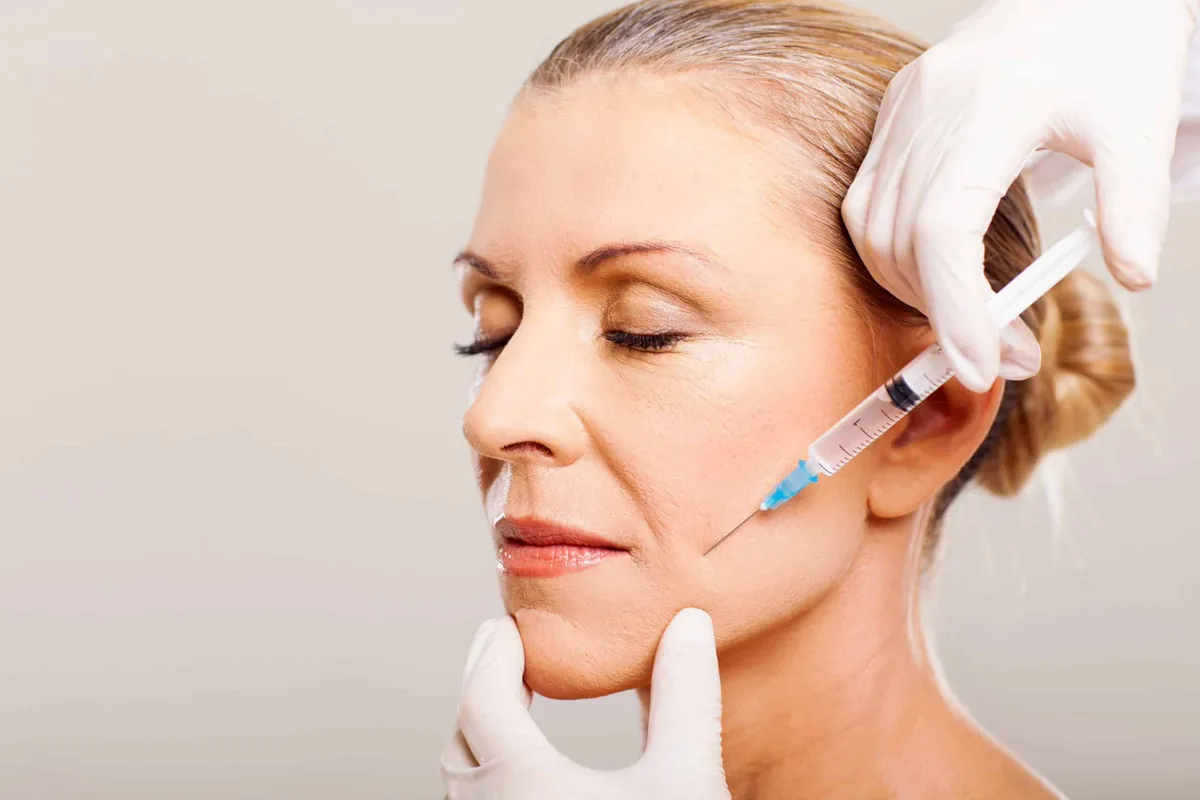
Right now, the UK aesthetics industry is largely unregulated. While anti-wrinkle injections use a prescription-only medicine — meaning it must be prescribed by a qualified medical professional — there is currently no legal requirement for training, qualification or registration to administer dermal fillers or many other non-surgical treatments. Anyone can legally buy and inject fillers regardless of their training or experience.
The consequences have been serious. In September 2024, Alice Webb tragically died following a non-surgical procedure carried out by an unqualified practitioner in Gloucestershire. Earlier cases, including Charlotte Booth who suffered permanent disability following a liquid BBL in 2023, have prompted growing calls for what campaigners are calling "Alice's Law." The British Association of Aesthetic Plastic Surgeons (BAAPS) reported a surge in complications, ranging from mild dissatisfaction to life-altering injuries.
"The aesthetics industry has ballooned into a £3.6 billion market — but growth without regulation has put thousands of patients at risk."
What's changing
The government's proposed framework introduces a tiered, risk-based classification system for cosmetic procedures:
- Green procedures — lower-risk treatments that can be carried out by licensed practitioners
- Amber procedures — treatments including anti-wrinkle injections and dermal fillers that will require practitioner licensing and oversight by a regulated healthcare professional
- Red procedures — highest-risk treatments such as certain body augmentation procedures, which will be restricted to CQC-regulated settings and qualified healthcare professionals only
A minimum age of 18 will also be legally enforced for all aesthetic treatments, and new local authority licensing will cover premises offering non-surgical procedures. Scotland has gone further still, with the Non-surgical Cosmetics Procedure Bill expected to be introduced in autumn 2025 and potentially phased in from 2026.
What this means for Clinic 8 patients
At Clinic 8, none of this changes how we operate — because we have always operated to these standards. Natalia is an NMC registered nurse and Level 7 qualified aesthetic practitioner. Every treatment we offer that involves prescription-only medicines is administered in full compliance with prescribing regulations. We take full medical histories, obtain informed consent, and offer comprehensive aftercare and review appointments as standard.
What the new regulations will do is make it harder for unqualified practitioners to operate — and make it easier for you, as a patient, to know whether the person treating you is genuinely qualified to do so.
How to protect yourself right now
Until the regulations are fully in force, here's how to protect yourself when choosing an aesthetic practitioner:
- Always ask about qualifications — look for NMC, GMC or GDC registration
- Ask who prescribes the medicine and whether the prescriber will assess you in person
- Check that a consultation is offered before any treatment is agreed
- Look at before-and-after portfolios and ask to speak to previous clients if possible
- Avoid any practitioner who offers treatment without a proper consultation or who significantly undercuts market prices
If you have any questions about our qualifications or how we operate, we are always happy to answer them. Your safety is, and has always been, our absolute priority.