If your skin has started to look dull, feel less bouncy, or show fine lines that weren't there a few years ago, the chances are that declining hyaluronic acid production is at least partly responsible. Understanding why this happens — and what modern treatments can do about it — is the first step to genuinely improving your skin for the long term.
The role of hyaluronic acid in your skin
Hyaluronic acid is a naturally occurring molecule found throughout the body — it's particularly concentrated in the skin, where it acts as a kind of molecular sponge, capable of holding up to 1,000 times its weight in water. It's responsible for much of the plumpness, bounce and hydration we associate with young, healthy skin.
At birth, hyaluronic acid levels in the skin are extremely high. But from our mid-20s onwards, production begins to decline — gradually at first, then more noticeably from the mid-30s. By our 50s, the skin has significantly less hyaluronic acid than it did in youth, which contributes directly to dullness, loss of elasticity and the formation of fine lines.
"No topical moisturiser — however expensive — can replicate what injectable hyaluronic acid achieves in the deep layers of the skin. The molecule is simply too large to penetrate the surface when applied topically."
What can you do about it?
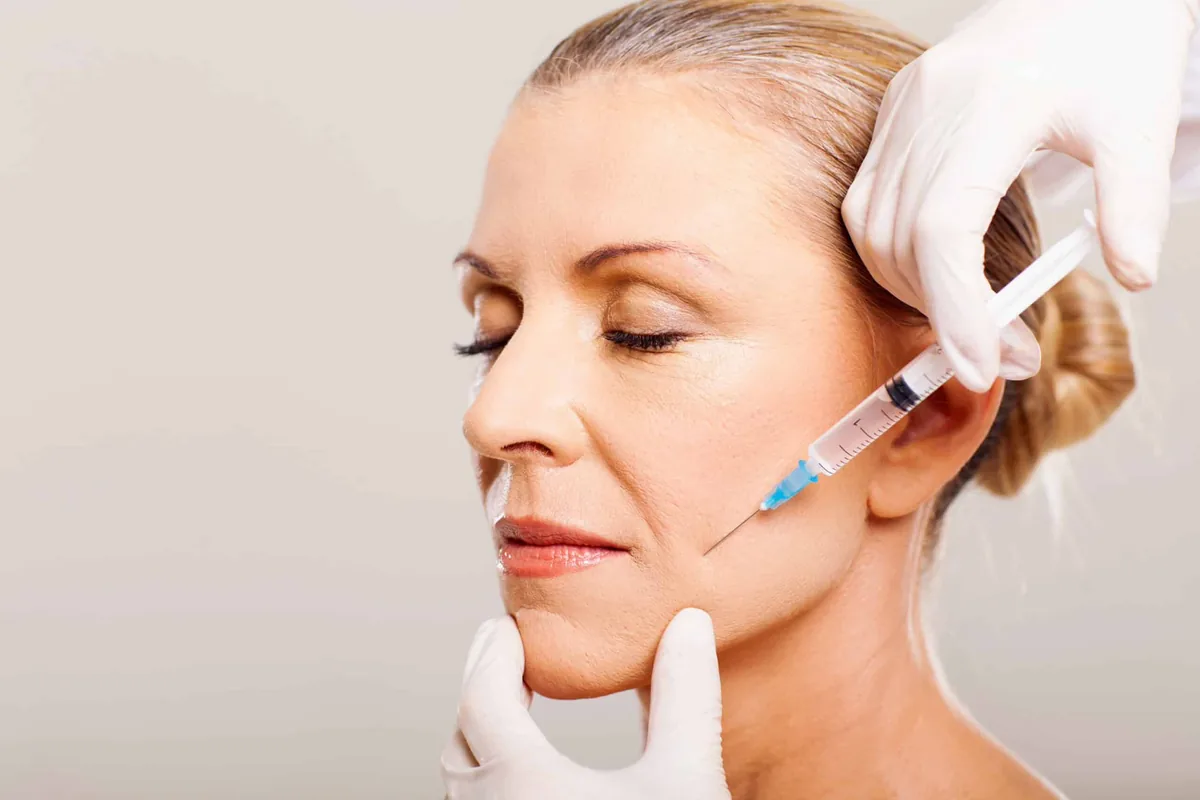
The most direct way to address declining hyaluronic acid is to reintroduce it at the level where it's needed — deep in the dermis. This is exactly what both Profhilo and biorevitalisation treatments do, using different mechanisms:
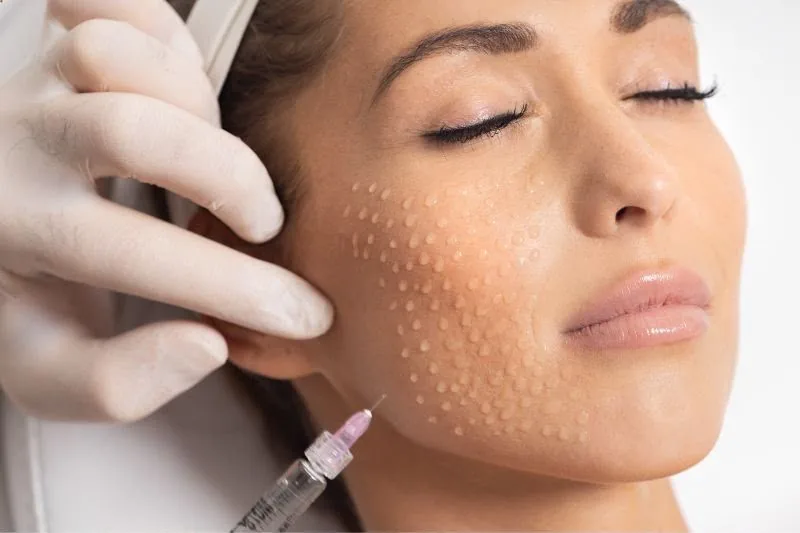
- Profhilo uses ultra-pure hyaluronic acid injected at specific anatomical points to spread through the skin, stimulating four types of collagen and elastin as well as providing deep hydration. The result is a significant improvement in skin quality, firmness and luminosity over 4–6 weeks.
- Biorevitalisation delivers hyaluronic acid via microinjections into the dermis, directly improving cellular metabolism and moisture retention. Results are visible sooner and can last up to 2–3 years.
- Dermal fillers address the volume loss that also accompanies age-related hyaluronic acid decline — restoring the three-dimensional fullness that gives a youthful facial structure.
What about skincare?
Topical hyaluronic acid serums and moisturisers do have value — they help maintain the skin's surface hydration and support the barrier function. But they work on the surface of the skin, not the deeper layers where the real structural changes occur with ageing. Injectable treatments reach where topicals cannot.
The most effective approach combines good skincare — SPF every day, a retinol-based product in the evening, a quality moisturiser — with periodic injectable treatments to address the deeper structural changes that topicals can't reach. Your consultation with us is the best place to work out which combination is right for your skin.