Acne scarring is one of the most emotionally difficult skin concerns we encounter — clients have often struggled with active acne for years, and then find that even when the breakouts resolve, the marks they've left behind persist for decades. The good news is that modern aesthetic treatments have made significant inroads into improving acne scarring, and the results can be genuinely transformative.
Understanding acne scarring
Acne scars form when a breakout damages the skin deeply enough to trigger the body's wound healing response. Depending on how that response plays out, the result can be atrophic scars (pitted or depressed scars where tissue was lost), hypertrophic scars (raised scars where too much collagen was produced), or post-inflammatory hyperpigmentation (flat dark marks left by healed spots).
The type of scarring present largely determines which treatments will be most effective — which is why a proper assessment at consultation is essential before any treatment is recommended.
PRP therapy for acne scarring
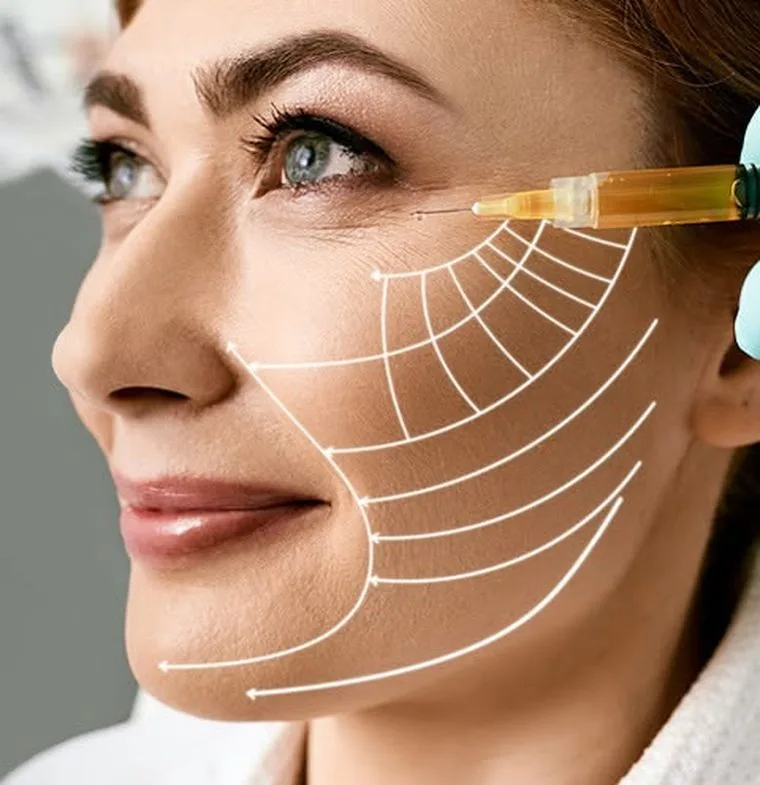
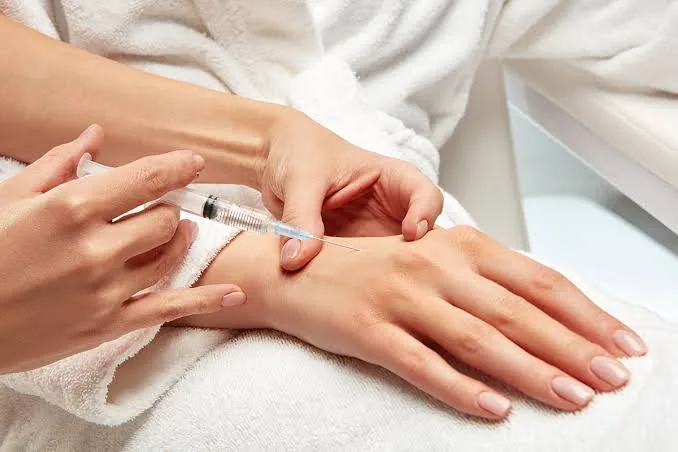
PRP (Platelet-Rich Plasma) therapy is one of the most effective treatments for atrophic acne scars. The growth factors in the concentrated plasma directly stimulate collagen and elastin production in the scar tissue, gradually filling in pitted scars and improving the skin's texture and overall appearance.
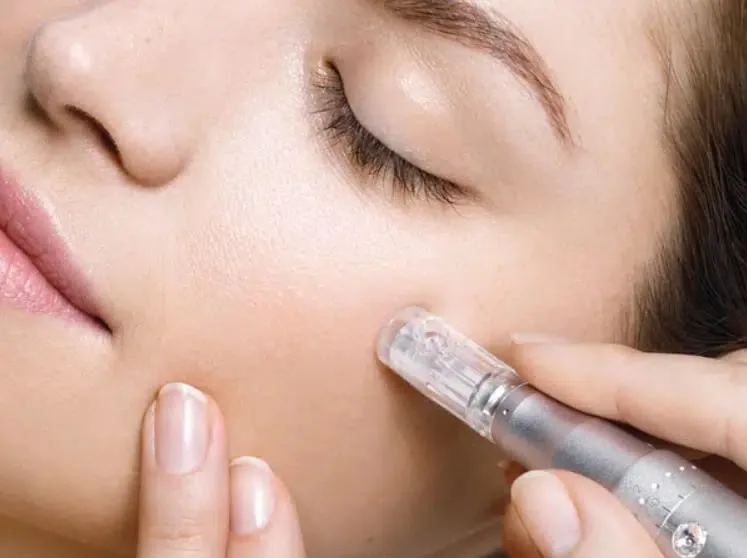
PRP is particularly powerful when combined with microneedling — the microneedles create tiny channels in the skin that allow the PRP to penetrate deeply, dramatically enhancing the collagen-stimulating effect. Most clients see significant improvement after a course of 3 sessions spaced 4–6 weeks apart, with continued improvement over the following months.
"Because PRP uses your own blood, there is no risk of allergic reaction — and it works with your own biology rather than introducing a foreign substance."
Biorevitalisation for skin texture and pigmentation
Biorevitalisation is an excellent complementary treatment for acne scarring — particularly for improving overall skin texture, hydration and the appearance of post-inflammatory hyperpigmentation. By improving cellular metabolism in the dermis, it helps the skin recover a more even tone and smoother surface.
What about active acne?
We are not able to treat active acne breakouts directly with the treatments we offer at Clinic 8 — active acne should be addressed with appropriate skincare and, if necessary, medical treatment from your GP or dermatologist. However, once breakouts are controlled, we can begin working on the scarring left behind. We can also advise on skincare ingredients and approaches that complement aesthetic treatment — vitamin C, retinoids and SPF are all important allies in the fight against pigmentation and scarring.
If acne scarring is a concern for you, please book a free consultation — we'll assess your skin, discuss your history, and recommend the most appropriate treatment plan for your specific type of scarring.