The name "Vampire Facial" sounds alarming — and the sight of the treatment being performed has shocked more than a few people on social media. But behind the dramatic name is one of the most natural, scientifically supported skin rejuvenation treatments available. Here's what PRP therapy actually involves, and whether it might be right for you.
What is PRP therapy?
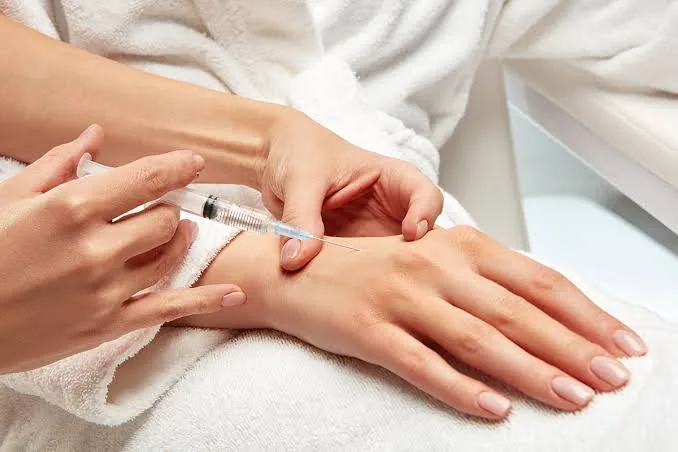
PRP stands for Platelet-Rich Plasma. The treatment uses a small sample of your own blood — typically around 10–15ml, similar to a routine blood test — which is then placed in a centrifuge to separate its components. The centrifuge spins the blood at high speed, separating the red blood cells from the plasma. The resulting platelet-rich plasma is then collected and injected into the area being treated.
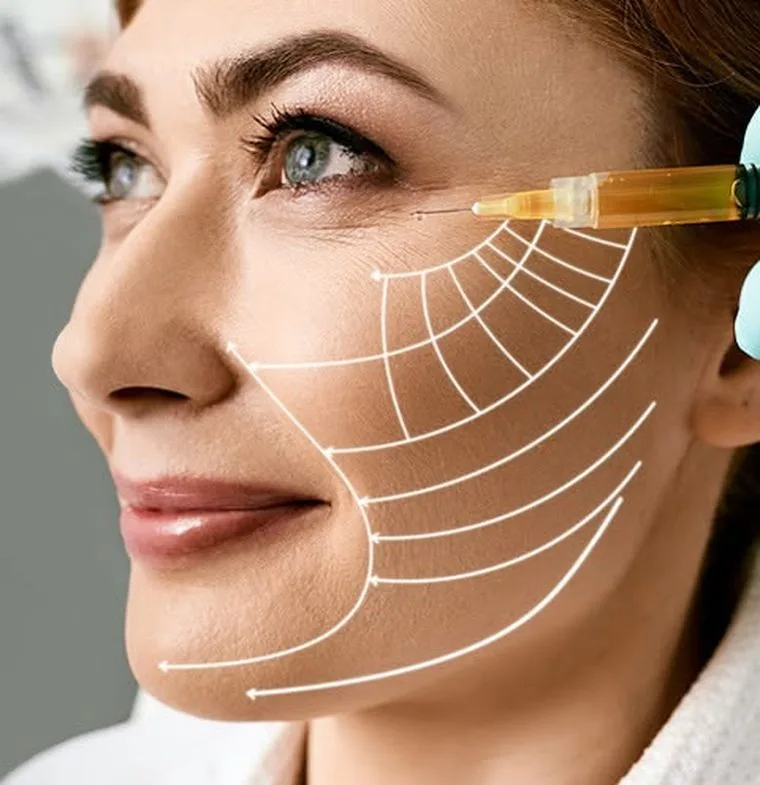
Platelets are tiny blood cells best known for their role in clotting — but they also contain hundreds of growth factors, proteins and signalling molecules that play a crucial role in tissue repair and regeneration. When concentrated PRP is introduced to the skin, these growth factors stimulate the local cells to produce new collagen and elastin, improving skin texture, tone and quality over the following weeks and months.
What conditions does it treat?
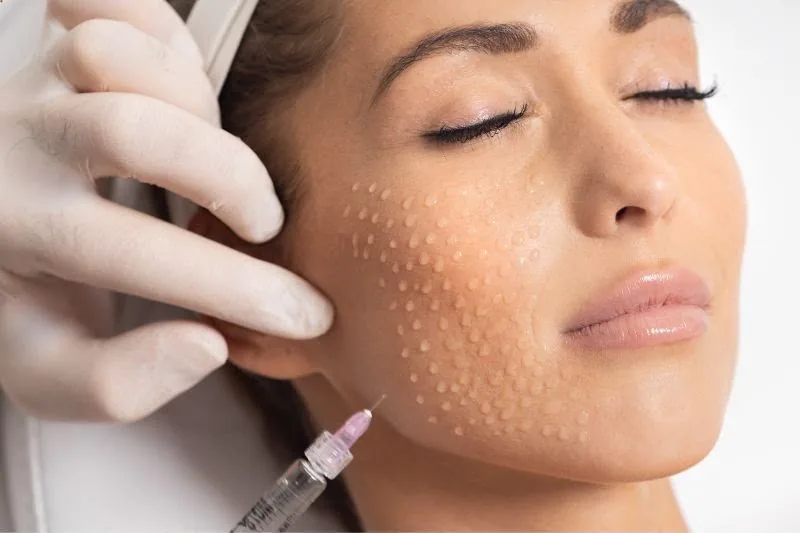
- Acne scarring — one of the most effective non-surgical treatments for improving the appearance of acne scars, particularly when combined with microneedling
- Skin texture and pore size — regular PRP treatments can significantly refine skin texture and reduce the appearance of enlarged pores
- Dark circles and under-eye concerns — the growth factors in PRP can improve the thin, delicate skin under the eyes and reduce darkness caused by poor circulation
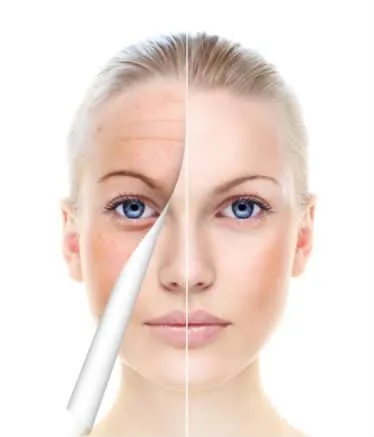
- General skin rejuvenation — dull, tired skin responds very well to PRP, with improved luminosity and overall skin quality
"Because PRP uses your own blood, there is zero risk of allergic reaction — making it one of the safest aesthetic treatments available."
What does the treatment feel like?
After the blood draw (which feels like a standard blood test), a numbing cream is applied to the treatment area. The PRP is then injected using a very fine needle or combined with microneedling for deeper penetration. Most clients describe the treatment as tolerable, and any redness typically resolves within 24–48 hours.
When will I see results?
Unlike fillers, PRP results are not immediate — they build gradually as the growth factors stimulate new collagen production. Most clients notice the first improvements at around 4 weeks, with optimal results at 3 months. For best results, a course of 2–3 sessions spaced 4–6 weeks apart is typically recommended.
If you'd like to discuss whether PRP therapy is right for your skin concerns, book your free consultation and we'll give you an honest assessment.