If you've spent any time in an aesthetics clinic's waiting room this year, you've probably heard someone mention Endolift. It's become one of the most-searched treatments of 2026 — and unlike a lot of aesthetic trends, this one has a genuinely interesting mechanism behind it.
What is Endolift?
Endolift is a minimally invasive laser treatment that works beneath the surface of the skin. A very fine fibre-optic laser is inserted through a tiny entry point — usually under local anaesthetic — and delivers controlled laser energy directly into the deeper layers of tissue. It's designed to do two things at once: encourage the skin to produce new collagen (a process called neocollagenesis), and, in some areas, gently reduce small, stubborn pockets of fat.
The result, when it works well, is tighter, smoother-looking skin without the incisions, stitches or extended downtime of a surgical facelift.
What does it actually treat?
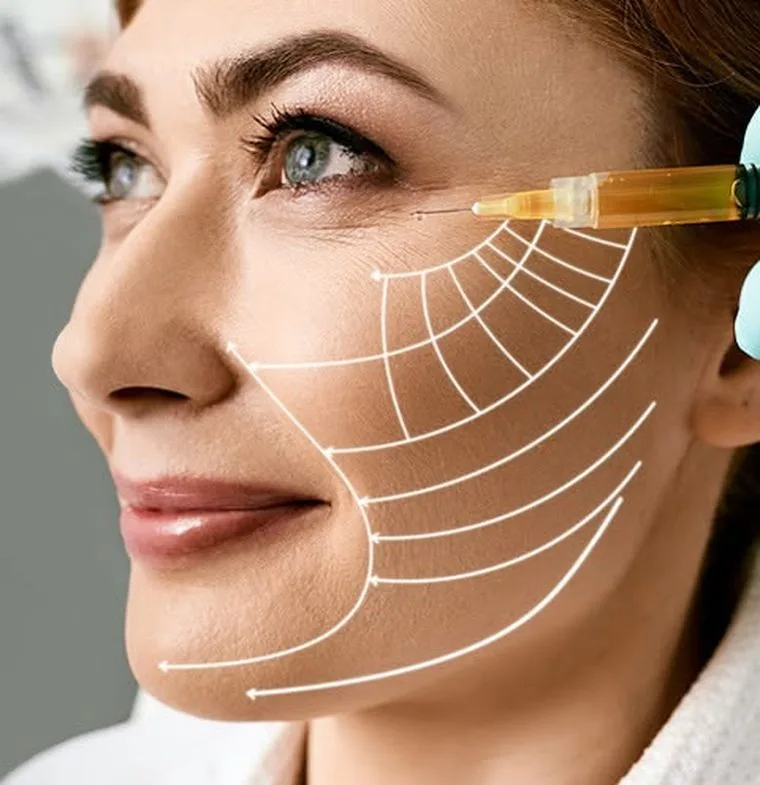
Endolift is most commonly used on areas where skin has started to lose firmness but hasn't yet reached the point where surgery would typically be considered — think jowls, the lower face and jawline, under-chin fullness, and early neck laxity. It's often described as sitting in the gap between injectables and a surgical lift.
What's recovery actually like?
Because it's fibre-based rather than incision-based, recovery is generally much shorter than surgery — most people see some swelling and bruising for a few days, with results developing gradually over the following weeks and months as new collagen builds.
Is it right for you?
Like any energy-based or laser treatment, suitability depends on your skin, your goals, and your medical history — this isn't something to decide from a blog post or an Instagram before-and-after. If you're curious whether Endolift, or a more established alternative, would suit your skin, that's exactly the conversation a proper consultation is for. We're keeping a close eye on this treatment as the evidence and technology continue to develop, and we're always happy to talk through where it might — or might not — fit into your own treatment plan.