It's rare for a single side effect to change the conversation in aesthetics, but "Ozempic face" has done exactly that. As GLP-1 medications have become part of everyday conversation, so has this: faces that look older, hollower or more tired after significant weight loss, even when the rest of the body looks noticeably leaner. If you've noticed this in yourself or a friend and wondered whether it's just you, it isn't — and there's a straightforward explanation.
What is "Ozempic face"?
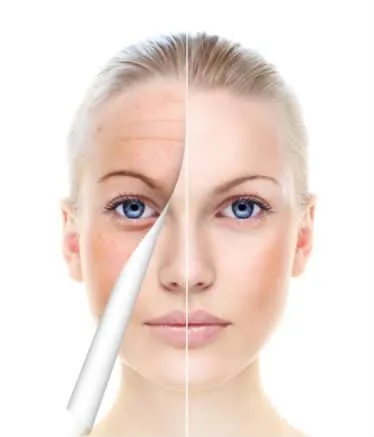
The term describes the facial thinning and skin laxity that can follow rapid or significant weight loss, whatever the cause. The face carries a surprising amount of fat in the cheeks, temples and under the eyes, and this fat provides youthful structure and support. When it's lost quickly, the skin doesn't always have time to adjust — leaving hollows, deeper folds and a tired appearance that ageing alone wouldn't produce at the same pace.
Why does this happen so quickly?
Traditional weight loss through diet and exercise tends to happen gradually, giving skin more time to remodel as it goes. GLP-1 medications can produce faster, more significant fat loss, and facial fat responds the same way fat anywhere else in the body does — it doesn't discriminate between where volume is wanted and where it isn't. The result is a face that has lost its natural cushioning faster than the skin around it can adapt.
What actually helps?
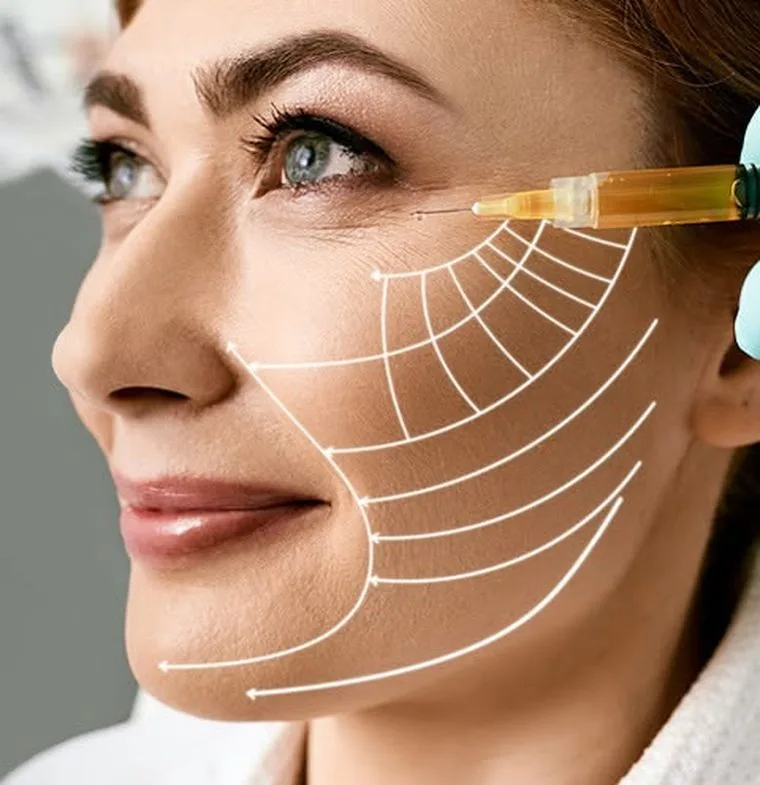
This is where biostimulators like Sculptra and Juvelook come in. Rather than adding volume instantly the way a traditional filler does, these treatments work with your own biology — encouraging your skin to rebuild its own collagen gradually, over weeks and months. For someone who has lost facial volume through significant weight loss, this tends to give a far more natural result than trying to replace that volume in one sitting: the improvement builds slowly, and no one can quite put their finger on what's changed. Treatment is typically delivered as a short course of sessions spaced weeks apart, with results commonly lasting two years or more.
Is this the right approach for you?
Not every case of facial volume loss needs the same solution — how much has been lost, where, and how your skin has responded all make a difference to what we'd recommend. This is exactly why we don't work from a fixed protocol. A consultation lets us look at your skin specifically and be honest about what will, and won't, make a meaningful difference. If a biostimulator isn't the right fit for you, we'll say so.