For years, the conversation in aesthetics was about volume — plumping, lifting, filling. In 2026, the question I hear most in the clinic has quietly changed. People aren't asking to look different. They're asking to look like themselves on a good day: fresh, healthy, well-rested. That shift has a name — skin quality — and it's changing which treatments people choose.
So what is "skin quality"?
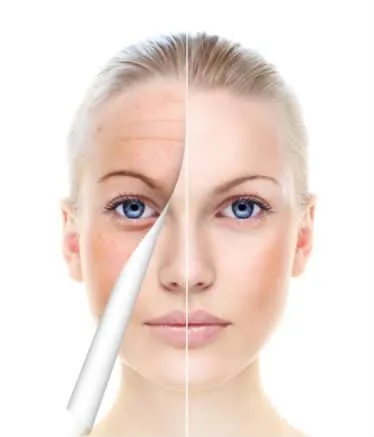
Think of your skin as a living fabric. Its quality is how that fabric is doing underneath the surface — how hydrated it is, how firm and elastic it feels, how even the texture looks, and whether it has that natural glow. It's different from the shape of your face, which is what volume treatments address.
Two people can have the same facial structure but very different skin quality — and it's often skin quality, not volume, that reads as "tired" or "radiant" to the eye. Rather than changing your contours, skin-quality treatments aim to improve the condition of the skin itself.
The treatments behind the trend
The thread running through all of these is the same: instead of adding something to change your shape, they encourage your skin to improve on its own terms.
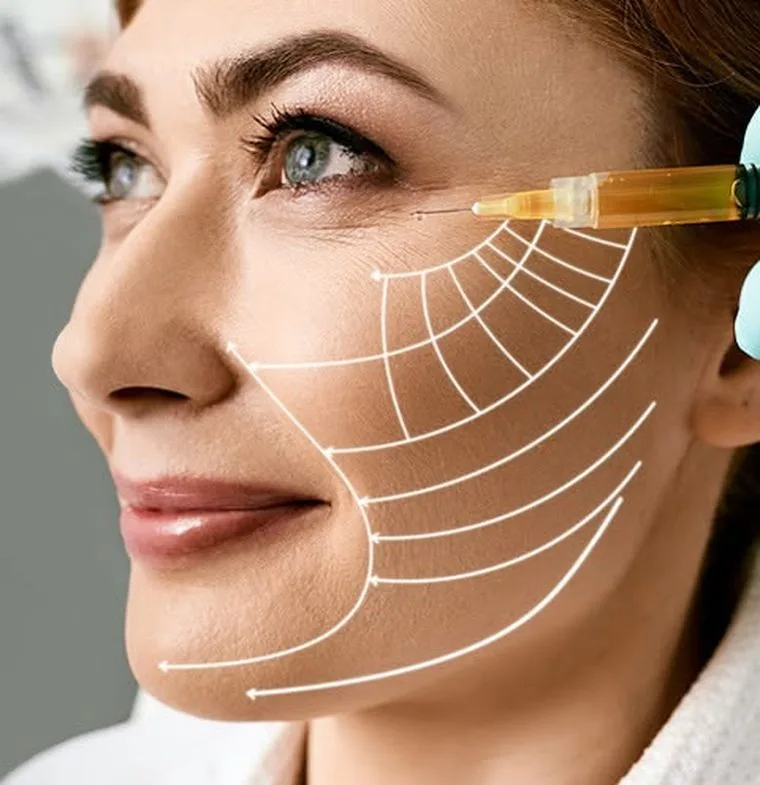
- Bio-remodelling (Profhilo) — an injectable with a very high concentration of hyaluronic acid that spreads beneath the skin and is designed to stimulate your own collagen and elastin, for firmer, more hydrated skin across an area rather than a change to one feature.
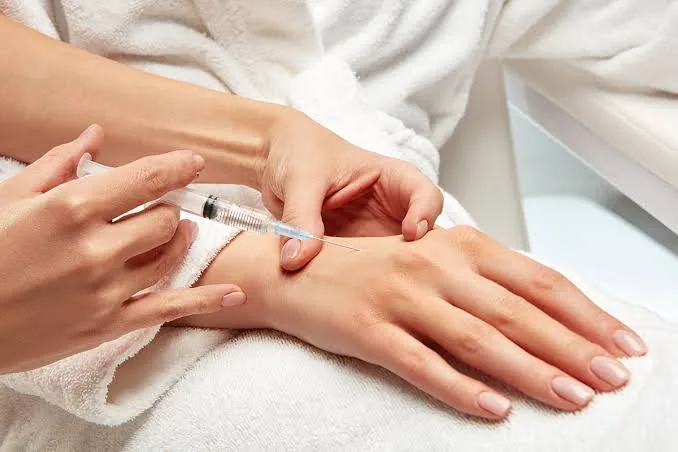
- Polynucleotides & biorevitalisation — the "repair and hydrate" end of the spectrum, delivered as a short course of micro-injections to support the skin's own renewal and deep hydration over time.
- Collagen-stimulating biostimulators — treatments such as Sculptra and Julaine that prompt your skin to build its own collagen gradually, for a subtle, natural improvement that develops over months.
- Skin boosters using your own plasma (PRP) — uses a small sample of your own blood, processed to concentrate the platelets, to support the skin's natural renewal, with no risk of reacting to a foreign product.
How is this different from filler?
It's the question I'm asked most. Dermal fillers are designed to add structure and volume in a specific place — restoring a cheek, defining a jawline, softening a deep fold. They're excellent at that, and for the right concern they're still the best tool. Skin-quality treatments are a different job: they're not there to change your shape, but to improve the skin as a tissue. Many people combine the two — a little structure where it's genuinely needed, and skin-quality work to keep the skin itself healthy.
The goal of skin-quality treatments isn't to look different — it's to look like a well-rested version of yourself.
A note on expectations
Because these treatments rely on your own skin responding, they work gradually and results genuinely vary from person to person. There are no guarantees, and anyone promising a fixed outcome should be treated with caution. Suitability depends on your skin, your health and your goals, which is why every plan should start with a proper consultation and an honest conversation about what will, and won't, help.
Is it right for you?
Maybe — and maybe not, which is a perfectly good answer too. If your skin looks tired, dull or a little crêpey and you'd rather refresh it than reshape it, skin-quality treatments are worth exploring. At Clinic 8, every consultation and every treatment is carried out personally by Natalia — an NMC registered nurse, independent prescriber and Level 7 qualified aesthetic practitioner. Consultations are free, and there's never any pressure to book anything on the day.