Every year in aesthetics seems to have its defining ingredient, and 2026's is polynucleotides. If you've seen the word floating around and wondered what it actually means, you're not alone — it sounds far more intimidating than the treatment itself.
What are polynucleotides?
Polynucleotides are fragments of DNA, typically purified and sterilised from a natural source, that are injected into the skin to encourage the body's own repair processes. In the UK, polynucleotide products are classified as Class III medical devices — a different regulatory category from prescription-only injectable medicines, which is part of why you're seeing them discussed and offered so much more openly.
How are they different from a skin booster like Profhilo?
This is the question we get asked most. Profhilo and similar bio-remodelling treatments work primarily through hyaluronic acid, drawing in hydration and improving skin quality that way. Polynucleotides work differently — they're thought to stimulate fibroblasts (the cells responsible for producing collagen and elastin), support tissue repair, and calm inflammation in the skin. Some practitioners now use the two treatments alongside each other for a broader effect, rather than choosing one over the other.
What areas are they used for?
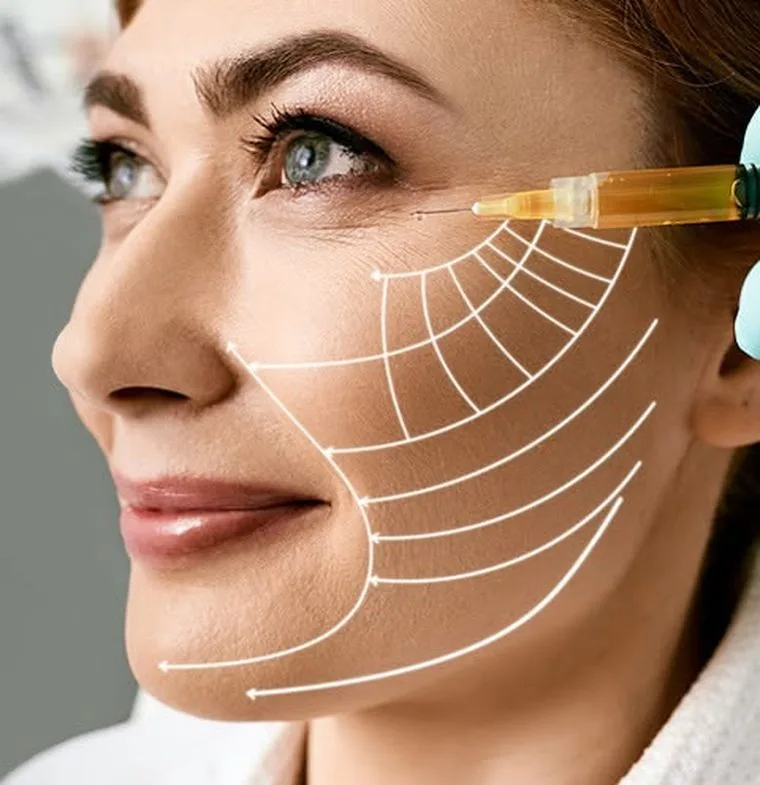
The under-eye area, lower face and neck are the most common treatment areas, though polynucleotides are also increasingly used on the décolletage and scalp — the latter for supporting scalp health in early hair thinning.
What does treatment involve?
As with most regenerative treatments, polynucleotides are typically given as a short course of sessions rather than a single visit, with results building gradually rather than appearing overnight. Downtime is generally minimal — some swelling or small bumps at injection points that settle within a day or two is normal.
Is this the right treatment for you?
Regenerative treatments are exciting precisely because they work with your own biology rather than adding volume artificially — but that also means results and suitability vary more from person to person than with a filler. A proper consultation, where we can actually assess your skin, is the only honest way to know whether polynucleotides are the right next step for you.
Considering polynucleotides yourself? Our polynucleotides treatment page covers prices, how a course works and under-eye treatment in West Malling. If the under-eye area is your main concern, you may also find what to realistically expect from under-eye polynucleotides helpful.