
From £200 · Free consultation

Brighter,
rested-looking eyes

Polynucleotides for under eyes & skin in West Malling, Kent

Polynucleotides are highly purified DNA fragments that support the skin's own repair. Under the eyes, where skin is thinnest, they're used to improve crepiness, fine lines and that tired look — gradually, and without changing the shape of your face.

NMC registered nurse
4.9 on Google
Independent prescriber
Our most-asked-about use

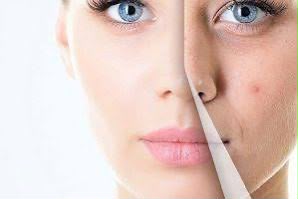
Polynucleotides under the eyes

The under-eye area is one of the hardest to treat well. The skin is thin, it moves constantly, and filler isn't always the right answer. Polynucleotides take a different route: rather than adding volume, they encourage fibroblasts — the cells that make collagen and elastin — to strengthen the skin from within. The result is skin that looks firmer, smoother and less tired over time.

Helps improve thin, crepey under-eye skin
Softens fine lines around the eyes
Can reduce the look of shadowing where thin skin is the cause
Natural-looking — no added volume or change to your features
Also used on the face, neck and décolletage
2–3 sessions, a few weeks apart Results build over weeks Minimal downtime
Book this treatment
What's involved

Your treatment, step by step

Free consultation. Natalia assesses your skin and medical history, and explains honestly whether polynucleotides, another treatment or a combination will suit you best.
Treatment. Numbing cream is applied, then polynucleotides are placed with fine micro-injections or a cannula. The appointment takes around 30–45 minutes.
Afterwards. Small bumps at the injection points usually settle within a day or two. Mild swelling or bruising is possible.
Results. Skin quality improves gradually across your course and keeps developing for a few months. Maintenance sessions help results last.
An honest answer

Polynucleotides or tear trough filler?

Polynucleotides are a strong choice if your main concern is thin, crepey or tired-looking skin under the eyes, or if you'd prefer not to have filler there. They don't replace lost volume, so if you have a deep hollow, a carefully placed filler — or a combination of both — may give a better result.

Dark circles have many causes, including pigmentation, genetics and visible blood vessels, and no single treatment fixes them all. We'll tell you plainly at your consultation what's realistic for you. You can also explore dermal fillers, Profhilo and PRP.

Why Clinic 8

Nurse-led, never delegated

Every consultation and every treatment at Clinic 8 is carried out personally by Natalia — an NMC registered nurse, independent prescriber and Level 7 qualified aesthetic practitioner. Nothing is agreed until you're sure, and there's no pressure to book anything on the day.

Before you ask

Polynucleotides — questions, answered honestly

Do polynucleotides work under the eyes?

Polynucleotides are well suited to the thin, delicate skin under the eyes. They support the skin's own repair, which can improve crepiness, fine lines and a tired look over a course of treatment. They don't add volume like a filler, so very deep hollows may need a different approach. Results vary from person to person.

How many polynucleotide sessions do I need?

Most people have a course of 2 to 3 sessions, spaced a few weeks apart, followed by maintenance sessions. Your nurse will recommend a plan at your free consultation.

When will I see results from polynucleotides under the eyes?

Polynucleotides work gradually rather than instantly. Most people notice skin quality improving over the weeks following their course, with results continuing to develop for a few months.

Is there any downtime after under-eye polynucleotides?

Small raised bumps at the injection points are normal and usually settle within a day or two. Some people have mild swelling, redness or bruising. Most people return to normal activities straight away.

Who should not have polynucleotides?

Polynucleotides are usually derived from fish DNA, so they're not suitable if you have a fish or seafood allergy. They're also not offered during pregnancy or breastfeeding, or where there is active infection in the area. Your full medical history is reviewed at consultation.

How much do polynucleotides cost in West Malling?

Polynucleotide treatment at Clinic 8 starts from £200 per session. Your personalised price and course plan are confirmed at a free, no-obligation consultation at our West Malling clinic, Unit 17, Mill Yard, Swan Street, ME19 6LP.

Ready when you are

Book your free polynucleotides consultation

Book a free, no-obligation phone consultation, or a £30 in-clinic consultation (redeemed in full against any treatment), at our West Malling clinic, Unit 17, Mill Yard, Swan Street, ME19 6LP — Fridays, 9am to 9pm.