Microneedling has become one of the most talked-about skin treatments of the last few years — and for once, the hype is largely deserved. It's one of the few treatments that works with your skin's own biology rather than introducing anything foreign, and when it's carried out properly it can make a real, visible difference to texture, tone and firmness. But there's also a lot of confusion about what it actually does, how it differs from the rollers you can buy online, and what results are genuinely realistic. Here's an honest guide.
What is microneedling?
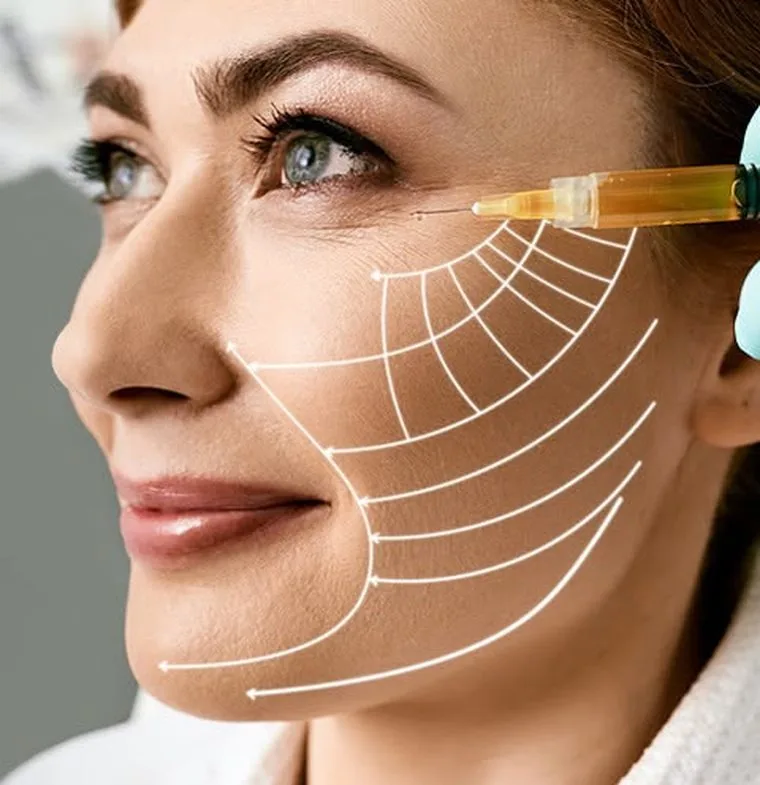
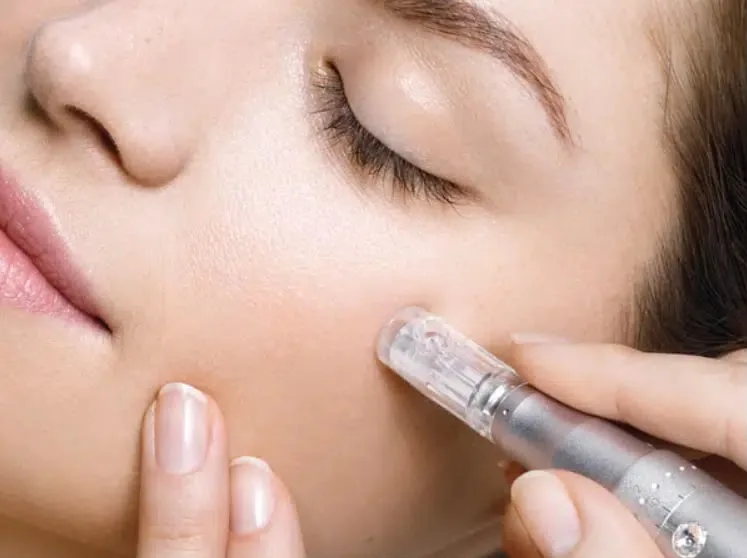
Microneedling — sometimes called collagen induction therapy — uses a professional device fitted with very fine, sterile needles to create thousands of tiny, controlled micro-channels in the surface of the skin. These are small enough to cause no lasting damage, but enough to switch on the skin's natural repair response.
That response is the entire point. When your skin senses these micro-injuries, it floods the area with growth factors and begins producing fresh collagen and elastin — the two proteins most responsible for skin that looks firm, smooth and plump, and the two we steadily lose as we age.
How does microneedling actually work?
There are two things happening at once. First, the controlled micro-channels kick off a natural wound-healing cascade, prompting the deeper layers of the skin to remodel and lay down new collagen over the following weeks. Second, those same channels briefly open a pathway for professional serums to absorb far more deeply than they ever could through intact skin — so the active ingredients we use during the treatment work much harder.
It's worth being clear that this is a gradual process. You're not resurfacing the skin or removing a layer; you're encouraging your skin to rebuild itself. That's why the best results appear over the weeks and months following a course, rather than overnight.
What can microneedling help with?
Because it improves the skin's underlying quality rather than targeting one single issue, microneedling is genuinely versatile. In clinic, we most often use it to help with:
- Fine lines and crepey texture — by stimulating new collagen where the skin has started to thin.
- Acne scarring and other scarring — particularly pitted, atrophic scars, where it's one of the most effective tools we have (more on this in our guide to treating acne scarring).
- Enlarged pores and uneven texture — smoothing and refining the skin's surface.
- Dullness and lacklustre skin — restoring a healthier, more radiant look.
- Early loss of firmness — giving a subtle tightening effect as collagen rebuilds.
- Stretch marks — which respond well to the same collagen-remodelling process.
As with any aesthetic treatment, results vary from person to person, and some concerns respond better than others — which is exactly why a proper assessment matters before we recommend anything.
Professional microneedling vs at-home rollers
This is the part I'm most keen for people to understand. The derma-rollers sold online and the professional treatment we provide are not the same thing. At-home rollers use shorter, blunter needles that can't safely or consistently reach the depth needed to stimulate meaningful collagen — and because they're reused at home, they carry a real risk of infection and of dragging bacteria across the skin.
A professional treatment is a different thing entirely. At Clinic 8, Natalia uses the Dermapen — one of the most established medical-grade microneedling devices — with single-use, sterile needle cartridges and a precisely adjustable depth that can be tailored to each area of the face. Combined with a trained practitioner controlling the technique throughout, the difference in both safety and results is significant.
Microneedling doesn't give you someone else's skin — it simply helps your own skin do what it did more easily when you were younger.
Microneedling with PRP — the "vampire facial"
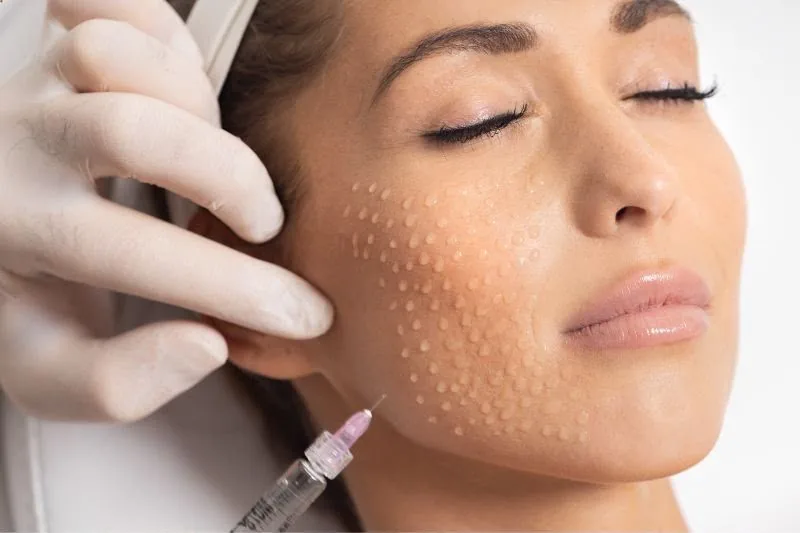
One of the most powerful ways to use microneedling is to combine it with PRP (Platelet-Rich Plasma) — the treatment often known as the vampire facial. The micro-channels created during microneedling allow the growth-factor-rich plasma, drawn from your own blood, to penetrate deeply and amplify the collagen-stimulating effect. If you'd like to understand that combination in more detail, we've written a full explainer on what PRP therapy actually does.
How it compares to other skin-quality treatments
Microneedling stimulates your own collagen mechanically. Injectable skin-quality treatments such as polynucleotides, Profhilo and biorevitalisation work differently — bio-stimulating and deeply hydrating the skin from within. These aren't competing choices so much as complementary tools, and in practice I'll often sequence or combine them depending on what a particular skin needs. If overall skin quality is your main goal, our regenerative and skin-quality page gives a helpful overview of how these treatments fit together.
What to expect at your appointment
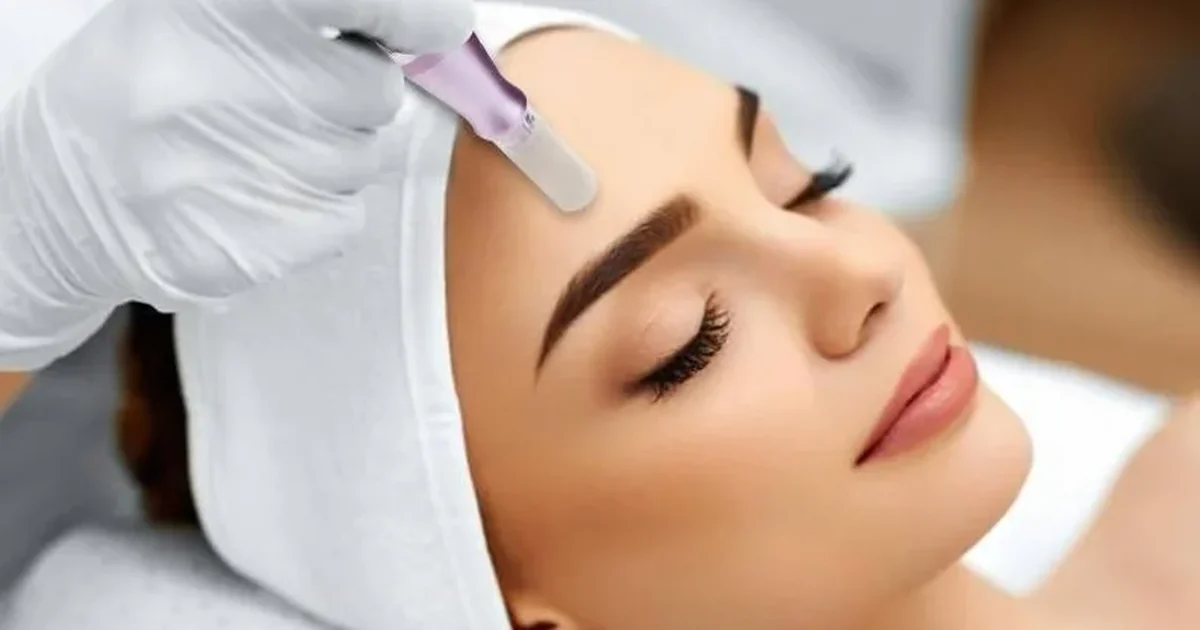
We begin by cleansing the skin and applying a numbing cream, so the treatment itself is very comfortable — most people describe the sensation as a light prickling or vibration rather than anything painful. Working methodically across the area with the Dermapen, we adjust the needle depth to suit each zone and the concern being treated; the treatment usually takes around 30 to 45 minutes.
Straight afterwards, your skin will look flushed — a little like mild sunburn — and may feel warm and slightly tight. This is completely normal and is simply the sign that your skin's repair response has been activated.
Downtime and aftercare
Microneedling is often called a "lunchtime treatment", but it does have a short recovery window. Most people find the redness settles within 24 to 48 hours. To get the best results and keep the skin safe while it heals, we'll ask you to:
- Avoid make-up for around 24 hours, to let the micro-channels close.
- Pause active skincare ingredients — retinoids, acids and vitamin C — for a few days.
- Keep the skin well hydrated and use a gentle cleanser.
- Avoid saunas, heavy exercise and direct heat for 24 hours.
- Be diligent with SPF — freshly treated skin is more sensitive to the sun, and sun protection protects your results.
How many sessions will I need?
Because microneedling builds results gradually, it works best as a short course rather than a one-off. Most people see the best outcomes from a course of around three to six sessions, spaced roughly four weeks apart, with occasional maintenance sessions afterwards to sustain the results. Collagen continues to develop for several months after a course, so your skin often keeps improving well after your final appointment. The exact plan that's right for you will depend on your skin and your goals — which we'll map out together at your consultation.
Is it safe, and who is it suitable for?
In trained hands, microneedling has an excellent safety record and suits most skin types and tones — it carries a lower risk of pigmentation issues than some light- and laser-based treatments, which makes it a versatile option for a wide range of people. It isn't suitable for everyone, however: active acne or skin infections, certain skin conditions, pregnancy and some medications can all mean it's not the right choice, or needs to wait. That's why every treatment at Clinic 8 begins with a proper consultation and skin assessment.
If you think microneedling might be right for you, I'd always rather talk it through in person first. Book a free, no-obligation consultation at our West Malling clinic and we'll assess your skin, discuss your concerns honestly, and recommend the approach most likely to get you the results you're hoping for.